
• About Us
  • Contact Us
Polar ICE
  • About Us
    • Polar CAP Team
    • Polar CAP Project
    • Polar-ICE Project
    • Mission & Goals
    • History of the Polar Literacy Principles
    • Motivation: Why a Polar Literacy Initiative?
    • How We Began
    • Contact Us
    • Publications
  • Polar Literacy Principles
  • Polar Data Education
    • Polar Data Stories
    • Science Investigations (Sci-I) Project
    • I.D. Antarctica
    • SWARM
  • Polar Research
    • Polar Scientist Cards
    • Polar Landscape
    • Photos/Video
    • Ask a Polar Scientist
  • Scientists
    • Looking for ideas for how to broaden the reach of your polar research?
    • Scientist Professional Development Opportunities
    • Science Communication Workshops for Scientists
    • The Art of Storytelling with Ari Daniel
  • Educators
    • Educator Professional Development Programs (2015-2019)
      • SWARM Workshop 2019
      • Science Investigations (Sci-I) Project Workshop
      • EARTH Workshops
      • Polar ICE Summit 2019
    • Student Polar Research Symposiums
  • Palmer LTER
    • Palmer LTER School Videoconference Archive
    • I.D. Antarctica
  • Polar Explorer Adventures
    • Data to the Rescue – Individual
    • Data to the Rescue – Club Version
  • Blog
  • Menu Menu

Intro: Unearthing Story within Science

You are here: Home1 / Scientist Resources2 / The Art of Storytelling with Ari Daniel3 / Intro: Unearthing Story within Science

The Art of Storytelling – Intro: Unearthing Story within Science

Written by Ari Daniel

The point of what follows is to offer you some guidance on how to take your science and turn it into a story. This is what I do for a living, and here’s an image that feels resonant to me:
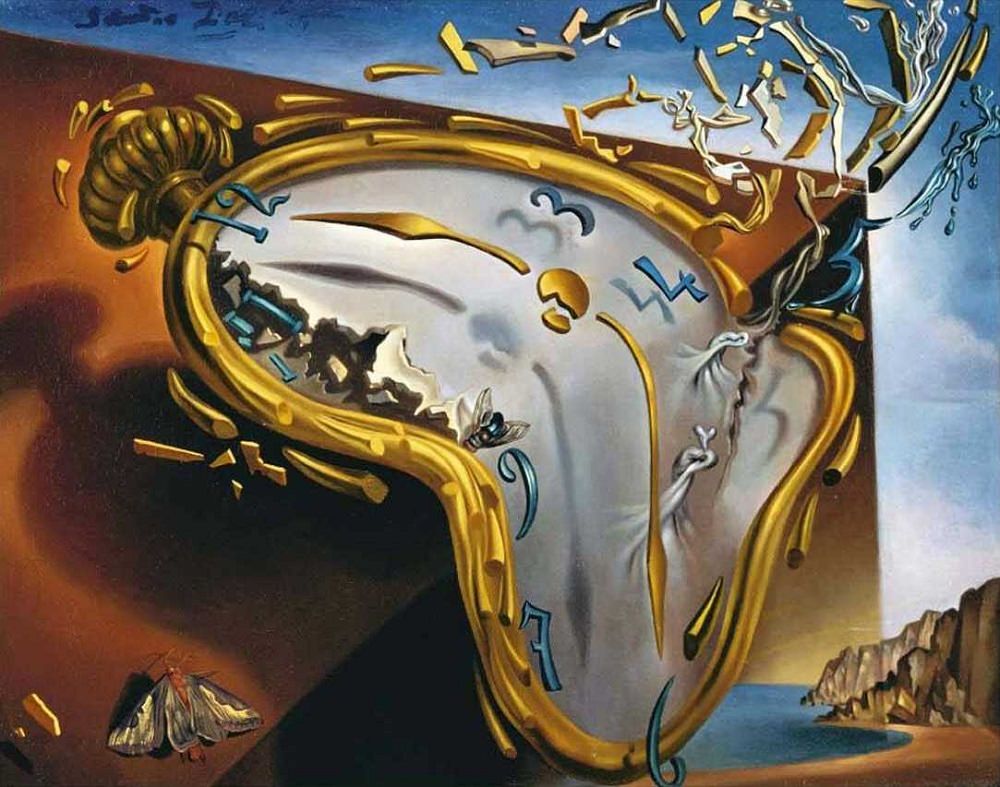
http://www.dalipaintings.net/images/paintings/the-melting-watch.jpg

http://www.dalipaintings.net/images/paintings/the-melting-watch.jpg

Here’s why I like that painting:


The two examples that I refer to in the video above are are called “science minutes” – short 60- or 90-second radio stories that I produced for Atlantic Public Media and WCAI, the Cape and Islands NPR station. The first is entitled “A Musical Embryo.”

http://polar-ice.org/wp-content/uploads/2016/06/01_HazelSiveScienceMinute.mp3


Here’s what works for me in terms of what Hazel has to say in this piece:

The second science minute is called “A Mosquito Maze.” For this piece, notice what’s happening in terms of the structure and flow of the story.

http://polar-ice.org/wp-content/uploads/2016/06/02_RichPollackScienceMinute.mp3


Here’s what I like about what Rich has to say in this piece:

Overview
Part 1

Scientist Resources
  • Looking for ideas for how to broaden the reach of your polar research?
  • Scientist Professional Development
  • Science Communication Workshops for Scientists
  • The Art of Storytelling with Ari Daniel
    • Intro: Unearthing Story within Science
    • Part 1: The Brain
    • Part 2: The Heart
    • Part 3: The Ingredients
    • Part 4: Videos
    • Part 5: Your Story

Acknowledgements

NSF Logo

This site was developed with the support of the National Science Foundation under Grant No. PLR-1525635 and PLR-1906897. Any opinions, findings, and conclusions or recommendations expressed in this material are those of the authors and do not necessarily reflect the views of the National Science Foundation.
© 2020 Rutgers University Polar Literacy Project - Enfold WordPress Theme by Kriesi
Scroll to top Scroll to top Scroll to top